Anti-inflammatory supplements
Key Takeaways
- Understanding inflammation helps in the selection of appropriate supplements.
- Common anti-inflammatory supplements include turmeric, omega-3 fatty acids, and ginger.
- Consultation with a healthcare provider is essential before starting any supplement regimen.
- Making lifestyle changes can complement the effects of supplements.
Inflammation is a natural response of the body to injury or infection. However, chronic inflammation can lead to discomfort and various health issues, especially in seniors. In this article, we will explore popular anti-inflammatory supplements that may assist in reducing inflammation and the related discomfort.
Understanding inflammation
Inflammation occurs when the body’s immune system is activated in response to harmful stimuli. While acute inflammation helps the body heal, chronic inflammation can contribute to various health problems like arthritis, heart disease, and more.
Causes of chronic inflammation
- Age-related changes in the immune system
- Poor diet high in sugar and unhealthy fats
- Lack of physical activity
- Environmental toxins
Popular anti-inflammatory supplements
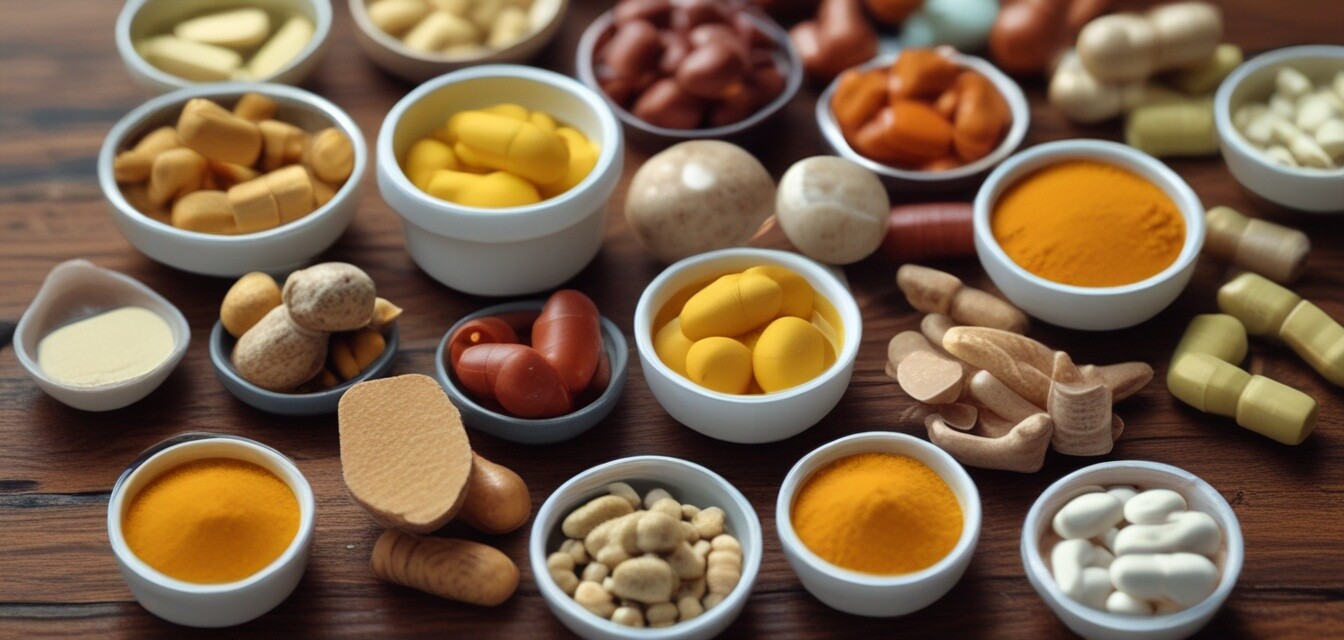
Several dietary supplements are recognized for their potential anti-inflammatory effects. Below, we research a selection of the most commonly used anti-inflammatory supplements:
| Supplement | Main Component | Potential Benefits |
|---|---|---|
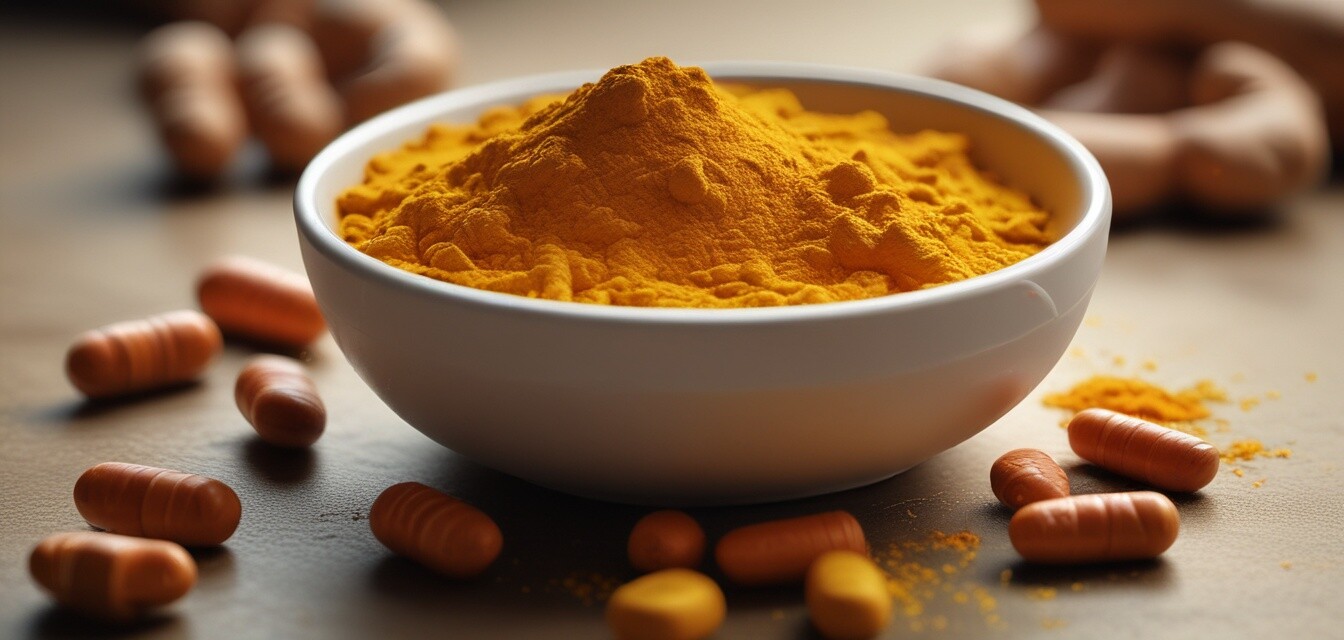
| Turmeric | Curcumin | May help reduce inflammation and pain |
| Omega-3 Fish Oil | Eicosapentaenoic acid (EPA) | May support joint health and cardiovascular health |
| Ginger | Gingerol | May aid in reducing muscle soreness |
| Boswellia | Boswellic acid | May support joint health |
| Green Tea Extract | Epigallocatechin gallate (EGCG) | May promote overall antioxidant activity |
How to choose the right supplement
Choosing the right anti-inflammatory supplement involves considering several factors:
- Specific symptoms: Identify the symptoms you want to address.
- Ingredients: Research the main ingredients and their effects.
- Quality: Find reputable brands with third-party testing.
- Consult a healthcare professional: Always seek advice before starting any new supplement.
Using anti-inflammatory supplements
Anti-inflammatory supplements can be beneficial when used correctly. Here are some tips for incorporating them into your routine:
Tips for beginners
- Start with lower doses to assess tolerance.
- Keep a journal of your symptoms to track improvements.
- Combine supplements with healthy lifestyle choices like balanced nutrition and regular exercise.
- Stay consistent and give time for the supplements to show effects.
Potential side effects and interactions
Like any other supplements, anti-inflammatory supplements may have potential side effects or interactions. Always consider the following:
- Consult your healthcare provider if you’re on medications.
- Monitor for any unusual symptoms after starting a new supplement.
- Adjust dosages under professional supervision if needed.
Combining supplements with lifestyle changes
In addition to dietary supplements, making certain lifestyle changes can significantly enhance the benefits of anti-inflammatory products:
| Lifestyle Change | Description |
|---|---|
| Balanced Diet | Incorporate fruits, vegetables, whole grains, and healthy fats. |
| Regular Exercise | Engage in activities that promote mobility and flexibility. |
| Stress Management | Practice mindfulness, yoga, or meditation to reduce stress levels. |
| Proper Hydration | Drink enough water to support metabolic functions. |
Conclusion
Anti-inflammatory supplements provide a promising avenue for seniors seeking relief from discomfort linked with chronic inflammation. While they can be beneficial, it’s essential to pair them with a healthy lifestyle, mindful of potential interactions with medications. Always consult with a healthcare provider to ensure safety and appropriateness for individual health needs.
Pros
- May help reduce discomfort
- Supports overall health and wellness
- Natural alternatives available
Cons
- Potential side effects with certain combinations
- Varies greatly among individuals
- Not a substitute for medical treatment

For more information about promoting joint health through supplementation, check our section on joint health supplements. You can also explore options to enhance your energy with our energy-boosting supplements. Remember, knowledge is key to making informed choices regarding your health and well-being.