
Bone Density Supplements
Key Takeaways
- Bone density supplements are vital for maintaining bone health, especially in aging populations.
- Calcium and Vitamin D are two of the most common ingredients in these supplements.
- Regular exercise, combined with a balanced diet, is crucial for optimal bone health.
- Consulting with healthcare professionals before starting any new supplement is advisable.
As we age, maintaining bone density becomes increasingly important to support an active lifestyle and prevent fractures. With age, our bones may become less dense, leading to conditions like osteoporosis. Fortunately, numerous dietary supplements are available to aid in supporting bone health. In this article, we'll explore the different types of bone density supplements, their ingredients, and how they can play a role in overall well-being.
Understanding Bone Density
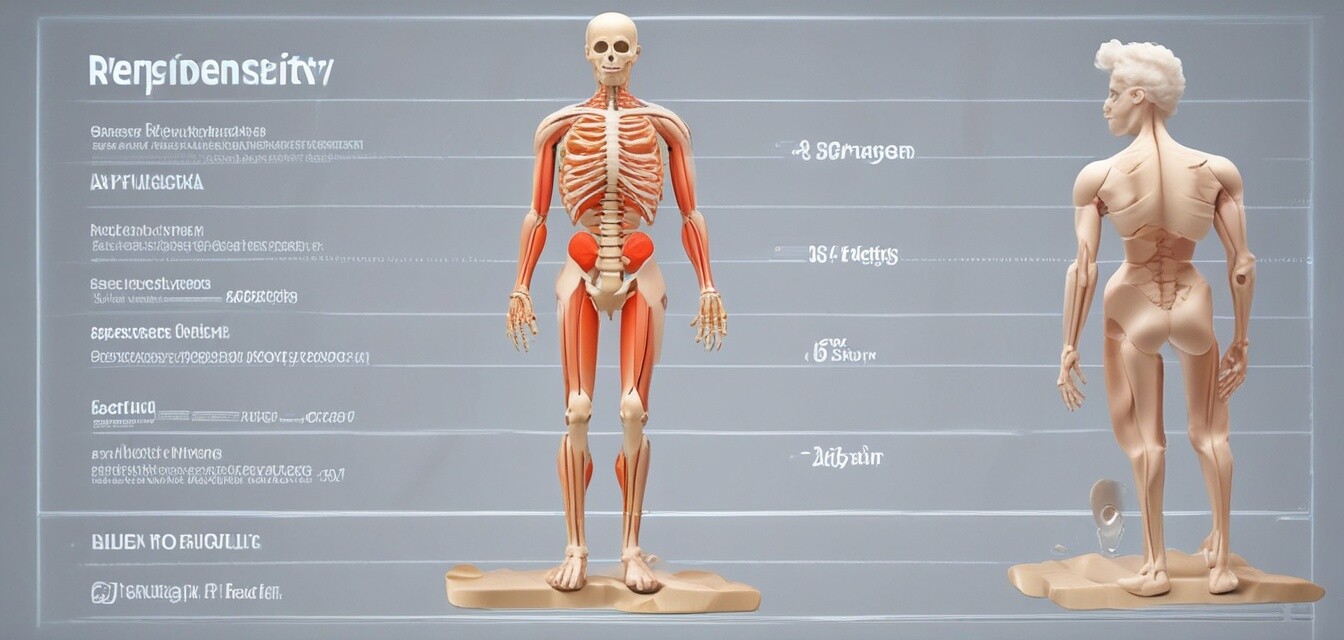
Bone density refers to the amount of bone mineral in bone tissue. It's a significant indicator of bone strength, and maintaining healthy bone density can prevent issues associated with aging, such as fractures and loss of mobility.
Why Is Bone Density Important?
As we age, several factors contribute to decreased bone density:
- Natural aging process
- Hormonal changes
- Lifestyle factors such as diet and exercise
- Chronic health conditions
These factors emphasize the need for a proactive approach to maintaining bone health. Bone density supplements can be an essential component of this strategy.
Common Ingredients in Bone Density Supplements
| Ingredient | Description | Common Sources |
|---|---|---|
| Calcium | Essential for bone formation and maintenance. | Dairy products, leafy greens, almonds |
| Vitamin D | Helps the body absorb calcium and promotes bone growth. | Sunlight, fatty fish, fortified foods |
| Magnesium | Contributes to bone structure and regulates calcium levels. | Nuts, seeds, whole grains |
| Boron | Aids in the metabolism of minerals involved in bone formation. | Fruits, vegetables, nuts |
Different Types of Bone Density Supplements
There are different categories of bone density supplements. Below is a breakdown of the types you may come across:
- Calcium Supplements: Most commonly seen in tablet form.
- Vitamin D Supplements: Often available as soft gels or gummies.
- Multivitamins: Comprehensive options that include both calcium and other essential minerals.
- Plant-Based Options: For individuals seeking vegetarian or vegan options.
Choosing the Right Supplement
When selecting a bone density supplement, consider the following factors:
- Age and gender, as needs may vary between individuals.
- Dietary restrictions, such as lactose intolerance or vegan preferences.
- Consulting with a healthcare provider for tailored recommendations.

Recommended Dosage
The ideal dosage of supplements can vary. It's essential to refer to the product label and potentially consult a healthcare provider to personalize your dosage according to your individual needs.
Combining Supplements with Lifestyle Changes
Supplements should complement a healthy lifestyle, which can include:
- Regular Exercise: Weight-bearing activities help strengthen bones.
- Balanced Diet: Ensure a diet rich in vitamins and minerals necessary for bone health.
- Avoiding Smoking: Smoking can negatively impact bone health.
- Limiting Alcohol: Excessive alcohol can interfere with calcium absorption.
Pros
- Supports bone health in aging populations.
- Can be easily integrated into daily routines.
- Available in various forms to suit preferences.
Cons
- Over-supplementation can lead to health issues.
- Not all supplements have the same bioavailability.
- May interact with medications or other supplements.
Further Information and Resources
For deeper insights into how different supplements can benefit specific health aspects, check these internal pages:
- Explore Bone Health Supplements
- Learn about Joint Health Supplements
- Discover Heart Health Supplements
- Check out Immune Support Supplements
- Investigate Memory Support Supplements
Conclusion
Maintaining bone density is essential as we age. While bone density supplements can play a significant role, they should not replace a balanced diet and a healthy lifestyle. Always consult with healthcare professionals before beginning any new supplements to find what best suits your individual needs.