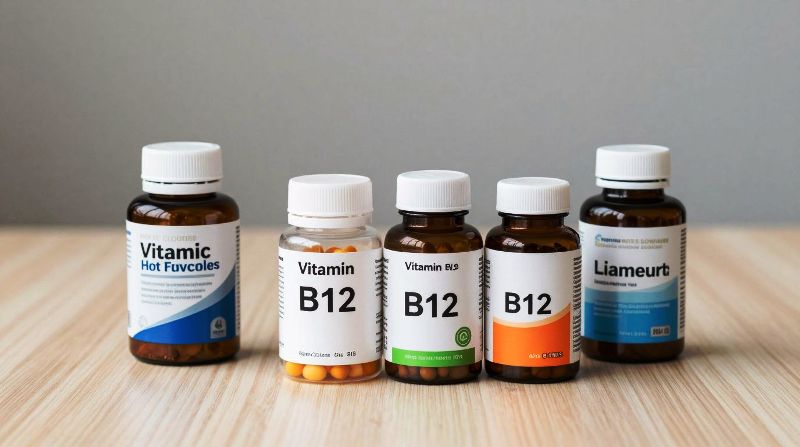
How to Use Vitamin B12 Dietary Supplement for Healthy Body and Vitality
Vitamins are powerhouses that drive our bodies. Vitamin B12 is one of the essential nutrients that help your body make red blood cells, maintain healthy nerve function, brain, and central nervous system, and produce DNA. A vitamin B12 supplement can be beneficial if you have low B12 levels, are at risk of deficiency, or have increased needs.
What are the potential benefits of Vitamin B12 dietary supplement?
1. Instantly Supports Energy Metabolism
Vitamins support energy processing. Vitamin B12 is one of those that help in converting food into usable energy. If you're deficient in it, correcting that deficiency may improve symptoms such as low energy and fatigue. However, taking extra B12 does not generally boost energy in people who already have sufficient levels.
2. It Helps Maintain Healthy Nerves
B12 plays a key role in maintaining the protective covering around nerves (myelin). Adequate levels help support normal nervous system function.
3. Maintains Proper Brain Function
Very low B12 levels can contribute to cognitive problems, memory issues, and difficulty concentrating. Supplementation can help restore normal function when deficiency is present.
4. Supports Red Blood Cell Production
Vitamin B12 is necessary for the formation of healthy red blood cells. A deficiency can lead to a type of anemia called vitamin B12 deficiency anemia, which may cause weakness, fatigue, and shortness of breath.
5. B12 Helps to Prevent Birth Defects
Adequate B12 intake is important during pregnancy because it supports fetal nervous system development. Healthcare providers may recommend supplementation in some cases.
6. B12 Improves Mood in Deficient Individuals
Vitamin B12 is involved in the production of neurotransmitters. In most cases, deficiency has been associated with mood changes, and treating a deficiency may help improve symptoms related to low B12 status.
Who May Benefit Most from B12 Supplements?
People at higher risk of deficiency
include:
- People who have had certain stomach or intestinal
surgeries
- Individuals taking medications that can reduce B12
absorption, such as Metformin or some acid-reducing medications
- Older adults
- Vegans and strict vegetarians (B12 is found naturally
mainly in animal foods)
- People with digestive conditions such as Celiac or Crohn's Disease
Natural Food Sources of Vitamin B12

A basket containing eggs, meat, fish, cereals, and
cheese on a table, sources of vitamin B12
Common sources include:
- Eggs
- Milk, yogurt, and cheese
- Meat and poultry
- Fish and shellfish
- Fortified breakfast cereals
- Fortified plant-based milks
B12 Vitamins: Frequently Asked Questions
How Many B12 Supplements Do Adults Really Need?
In most cases, adults need about only 2.4 micrograms (mcg) per day. Supplements most often contain much higher amounts because absorption is limited and varies between individuals.

Couple sorting out vitamin tablets
in a tumbler
Is the B12 Dietary Supplement Safe?
Yes. Vitamin B12 is generally considered safe, even at relatively high supplemental doses, because excess amounts are typically excreted in urine. However, it's best to discuss supplementation with your healthcare provider if you have symptoms of a deficiency or underlying medical conditions.
What are the common signs and symptoms of B12 deficiency?
Vitamin B12 deficiency can develop gradually over months or years because the body stores several years' worth of B12. Symptoms vary from person to person and may affect blood cells, nerves, and the brain.
1. Fatigue and Weakness
One of the earliest and most common symptoms is
· General weakness
· Feeling unusually tired
· Low energy
· Reduced exercise tolerance
This often occurs because B12 deficiency can reduce the production of healthy red blood cells, decreasing oxygen delivery throughout the body.
2. Pale or Slightly Yellow Skin
People with B12 deficiency may develop the following:
· Pale skin
· A mild yellow tint to the skin or eyes (jaundice)
3. Shortness of Breath and Rapid Heartbeat
Especially during physical activity, you may notice:
Heart palpitations
Increased heart rate
Shortness of breath
These symptoms can occur when anemia develops.
4. Neurological Symptoms
B12 is very essential for nerve health. Deficiency
can damage nerves, sometimes permanently if untreated.
Tingling
or Numbness
You may experience:
Numbness in the hands, feet, or legs
"Pins and needles" sensations
Burning sensations in the extremities
B12 is very essential for nerve health. Deficiency
can damage nerves, sometimes permanently if untreated.
Tingling
or Numbness
You may experience:
Numbness in the hands, feet, or legs
"Pins and needles" sensations
Burning sensations in the extremities
5. Balance and Walking Problems
Some people develop:
· Poor coordination
· Unsteadiness while walking
· Increased risk of falls
6. Muscle Weakness
Nerve damage may contribute to weakness, especially
in the legs.
Cognitive and Mental Health Symptoms
1. Memory and Concentration Problems
People may notice:
· Forgetfulness
· Mental "fog"
· Difficulty concentrating
· Slower thinking
2. Mood Swings
Deficiency may be associated with:
· Low mood
· Anxiety
· Irritability
· Depression-like symptoms
In severe cases, confusion and significant cognitive impairment can occur.
Mouth and Tongue Changes
1. Sore, Red Tongue
A classic sign is
· A smooth, swollen, red tongue (glossitis)
· Burning or painful tongue
2. Mouth Ulcers
Some individuals develop:
· Mouth sores
· Burning sensations in the mouth
Digestive Symptoms
Less commonly, B12 deficiency may cause the following:
· Nausea
· Diarrhea
· Loss of appetite
· Weight loss
Severe or Long-Term Deficiency
If the deficiency is severe or prolonged, symptoms can include the following:
· Vision problems
· Confusion
· Significant difficulty walking
· Severe numbness
· Dementia-like symptoms
Some nerve-related damage may not fully reverse if treatment is delayed.
When to Consider Testing for B12 Supplement Deficiency
It may be worth discussing B12 testing with a healthcare professional if you have the following:
· Persistent fatigue
· Numbness or tingling in your hands or feet
· Balance problems
· Memory difficulties
· A vegan diet without B12 supplementation
· Conditions that affect nutrient absorption
· Use of medications such as Metformin over the long term
Important Note Regarding B12 Supplement
Many of these symptoms can also be caused by other conditions, including iron deficiency anemia, hypothyroidism, diabetes, or neurological disorders. A blood test is needed to confirm whether B12 deficiency is the cause.
The Main Differences Between Methylcobalamin and Cyanocobalamin Forms of B12

A smiling elderly man holding a bottle of supplements on each hand, sitting on an armchair
Methylcobalamin and cyanocobalamin are two common forms of vitamin B12 found in supplements. Both can prevent and treat B12 deficiency, but they differ in their chemical structure, stability, cost, and how the body processes them.
Quick Comparison between Methylcobalamin and cyanocobalamin
|
How Our Bodies Uses Methylcobalamin and cyanocobalamin
Methylcobalamin
Methylcobalamin is one of the biologically active forms of vitamin B12. It can directly participate in certain biochemical reactions, particularly those involving:
· Nerve function
· DNA synthesis
· Methionine metabolism
Because it is already active, it requires less processing by the body.
Cyanocobalamin
Cyanocobalamin is a synthetic form containing a
cyanide group. The amount of cyanide involved is extremely small and is
generally not considered harmful for healthy individuals.
After absorption, the body converts cyanocobalamin into active forms of B12, including methylcobalamin and adenosylcobalamin.
Which One Is Better Than the Other, Methylcobalamin or Cyanocobalamin?
For most people, both forms are equally good; they effectively raise
B12 levels and correct deficiency.
Research has not consistently shown that methylcobalamin produces superior clinical outcomes for the average person with B12 deficiency. But cyanocobalamin remains the most used because:
· It is inexpensive
· It is stable
· and has decades of clinical evidence supporting its effectiveness
Methylcobalamin is often marketed as being "more natural" or "better absorbed," but the evidence supporting a meaningful advantage in most people is limited.
Who Might Prefer Methylcobalamin?
Some healthcare providers may favor methylcobalamin for:
· Individuals who prefer an active form
· Those who want to avoid synthetic additives
· People with neurological symptoms from B12 deficiency
However, treatment decisions are often based more on absorption and dose than on which form is used.
What Matters More When Choosing the Type of Vitamin B12 to Take?
For many people with a deficiency, the biggest issue is not the form of B12 but whether it can be absorbed properly.
Conditions that can impair absorption include:
· Crohn's Disease
· Pernicious Anemia
· Certain intestinal or stomach surgeries
In such cases, high-dose oral supplements or B12 injections may be recommended regardless of whether the B12 is methylcobalamin or cyanocobalamin.
Practical Takeaway
· If your goal is preventing or correcting B12 deficiency, either methylcobalamin or cyanocobalamin is generally effective.
· Cyanocobalamin is often the most economical and is backed by extensive clinical use.
· Methylcobalamin is an active form and may appeal to those who prefer a naturally occurring form, but it has not been proven to be dramatically better for most people.